

How to Implement AI Agents in Insurance Company Operations: A Playbook
An AI agent that writes a flawless claim summary is useless if it cannot open the claim file. That gap is where many insurance AI pilots stall. Learning how to implement AI agents in insurance company operations is mostly about data, integration and people, not model choice. This playbook walks carriers, MGAs, brokers and agencies through each stage, and shows where Technosip’s UniversalAgent platform fits.
Key takeaways
- Check data quality, system access and team ownership before choosing any AI agent use case.
- Score candidate workflows on volume, rule clarity, data access, risk and measurability, then start with the highest scorer.
- A hybrid approach, combining a proven agent platform with custom insurance logic, suits most carriers, MGAs and agencies.
- Define success metrics and human review points before an AI agent pilot starts, not after.
- Scaling AI agents to production depends on monitoring, governance and change management as much as on technology.
How to implement AI agents in insurance company operations: start with a readiness check
Before choosing a use case, confirm three things: the data an AI agent needs is accessible and reasonably clean, the core systems offer a way to read and write that data, and a named team owns the outcome. An insurer missing any of the three will spend the pilot fixing foundations instead of testing value.
An AI agent is software that uses a large language model to understand a goal, plan steps, call tools or business systems, and finish a task with limited human input. Unlike a chatbot, an AI agent acts: it can update a record, request a document or route a file.
Carriers should treat this section and the next four as their core track. MGAs, brokers and agencies follow the same logic, with adjustments covered in their own tracks later.
Data
Ask where policy, claims and customer data lives, who can grant access, and how much sits in PDFs, emails and scanned forms. Unstructured documents are not a blocker, because AI agents read them well. Missing, contradictory or unlabelled records are the real problem.
Also check what you may legally use. Personal and health details in claims files carry privacy obligations, so involve compliance early and agree what the agent may see, store and log.
Systems
List every system the target workflow touches: policy administration, claims, billing, document management, CRM and email. For each, note whether it offers a modern API, a database view, file exports or only a screen. That inventory decides how hard integration will be.
Team
Name a business owner who feels the pain of the workflow, a technical lead and a risk reviewer. A risk management framework for AI can offer a practical structure for mapping, measuring and managing AI risks, and can give a reviewer and the delivery team a shared vocabulary.
How do you pick the first workflow? Use a scoring approach
Pick the first workflow by scoring each candidate against the same six criteria, then starting with the highest total. A strong first workflow is high volume, rule-based, easy to measure and low risk if the AI agent errs. A scoring sheet turns opinion-driven debates into a short, defensible decision.
| Criterion | Question to ask | Scores high when |
|---|---|---|
| Volume | How often does the task happen? | Daily, repetitive, queues build up |
| Rule clarity | Can an experienced handler explain the steps? | Clear rules, few judgement calls |
| Data access | Can the agent read inputs and write outputs? | APIs or clean exports exist |
| Risk if wrong | What happens when the agent makes a mistake? | Errors are easy to catch and reverse |
| Measurability | Is there a baseline today? | Cycle time and volumes are tracked |
| Sponsor | Does someone senior want it fixed? | A named owner will champion it |
Score each criterion from 1 to 5. Many teams double the weight of risk if wrong, which keeps the first pilot away from coverage decisions and claim denials while trust builds.
Strong candidates often include first notice of loss (FNOL) intake, submission intake, certificate of insurance requests, simple endorsements and policyholder service questions. FNOL is the first report of a claim, and its intake is structured enough for an agent to collect details, check the policy and open a file.
Complex underwriting and claim settlement amounts make weak first candidates. They are valuable later, but mistakes there are costly, hard to reverse and harder to explain to regulators.
Should you build, buy or take a hybrid approach?
Most insurers should go hybrid: use a proven AI agent platform for orchestration, security and monitoring, then build insurance-specific logic, prompts and integrations on top. Pure build gives maximum control at the highest cost and slowest start. Pure buy is fast but often fits generic workflows better than your products.
| Approach | What it means | Strengths | Trade-offs | Suits |
|---|---|---|---|---|
| Build | Your team develops agents on raw model APIs | Full control and custom fit | Scarce skills; you own security and monitoring | Large carriers with in-house AI teams |
| Buy | Off-the-shelf agent for one function | Fast to launch | Limited customisation; another vendor silo | Small agencies with standard needs |
| Hybrid | Agent platform plus custom insurance logic | Speed with fit; reusable across workflows | Needs a clear platform choice and integration work | Most carriers, MGAs and mid-size agencies |
Anyone asking how to build AI agents for insurance should know the model is the easy part. The real work sits in tool definitions, guardrails, test sets drawn from real files, and logging that explains each action later.
Technosip uses UniversalAgent for the hybrid path. The platform layer is already in place, and Technosip engineers configure agents, connectors and review steps around your specific workflow and systems.
How do you integrate AI agents with policy admin, claims and agency systems?
Integrate AI agents through the cleanest interface each system offers, in this order: published APIs, events or webhooks, database views, file exchanges, and screen automation as a last resort. Give each agent its own service identity with minimum permissions, and log every read and write it makes.

A policy administration system is the core platform that stores policies and handles quoting, issuance, endorsements and renewals. Claims systems manage the loss lifecycle. Agency management systems hold clients, policies and activities for brokers and agencies.
Map the connections in three groups:
- Read paths: policy lookup, coverage details, claim status and document retrieval.
- Write paths: create a claim, attach a document, log a note or draft an endorsement.
- Hand-off paths: route a case to a human queue with a summary and the agent’s reasoning.
Start with read-only access where you can. Writes can land in a draft or pending state that a person approves, which limits the damage of any error.
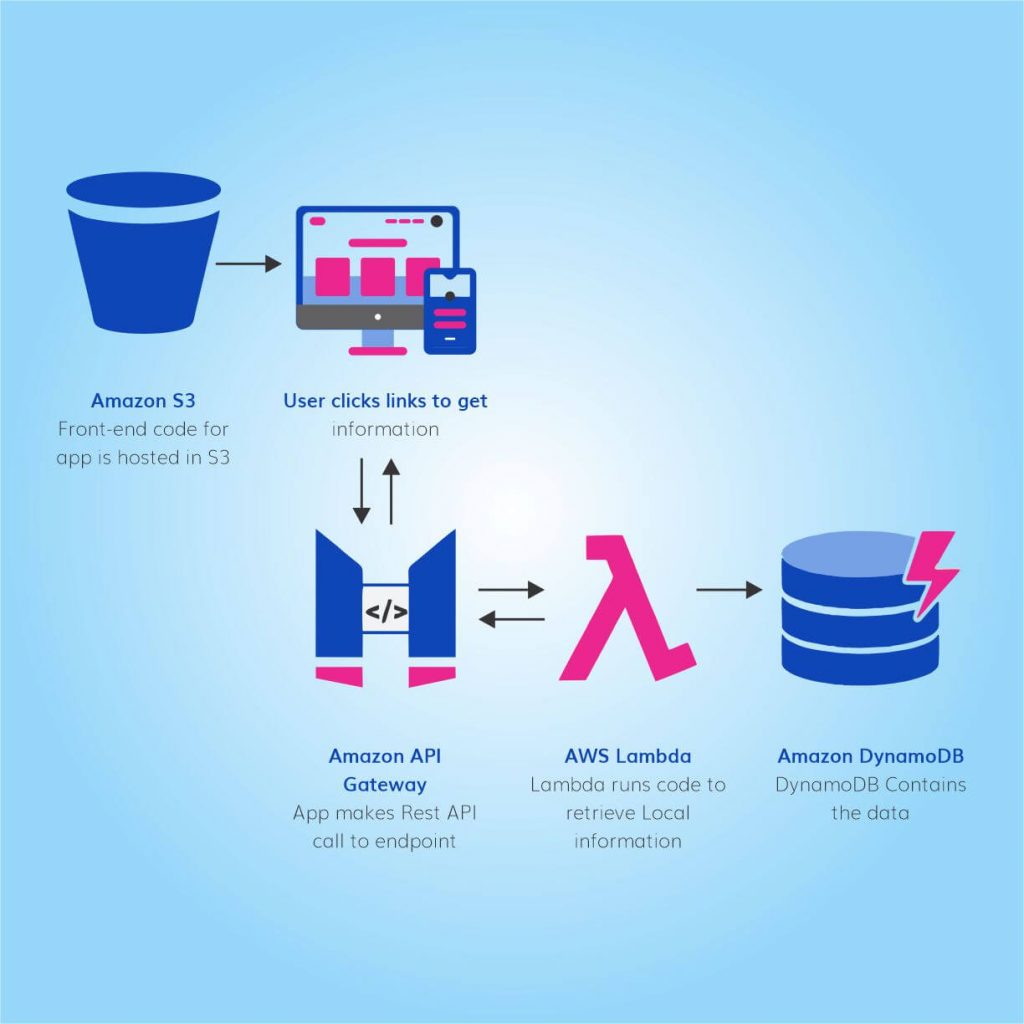
Many core insurance systems predate modern APIs. A thin integration layer, often built from serverless functions that wrap legacy endpoints, keeps the agent decoupled from the core. Our guide to serverless architecture best practices covers the patterns we use for these layers.
Treat every email, PDF and web form an agent reads as untrusted input. Lists of the most critical security risks for LLM applications can include prompt injection and excessive agency, both of which matter when an AI agent can act inside a claims system.
Tip: Set up a sandbox with masked copies of policy and claims data before the pilot. Testing against realistic records exposes integration gaps early, without touching live customers.
How should you design the pilot and measure success?
Design the pilot around one workflow, one team and a fixed window, with success metrics and a baseline agreed before launch. Run the AI agent with human-in-the-loop review, compare results against the baseline, and decide in advance which results justify scaling, adjusting or stopping.
Human-in-the-loop is a design where a person reviews or approves an AI agent’s output before it takes effect. In a pilot, it protects customers while the team learns where the agent is reliable.
- Write a one-page scope: workflow, start and end points, systems and exclusions.
- Capture a baseline from current data: volumes, cycle times and error rates.
- Build a test set from historical cases, including awkward edge cases.
- Launch in shadow mode, where the agent works alongside staff without acting.
- Move to assisted mode, where staff approve each action.
- Review weekly with the business owner and compliance.
- Hold a go or no-go review against the agreed thresholds.
| Metric | What it tells you |
|---|---|
| Cycle time | How much faster work moves end to end |
| Straight-through rate | Share of cases completed without human edits |
| Accuracy | How often reviewers accept output unchanged |
| Escalation rate | How often the agent hands off, and whether correctly |
| Staff and customer feedback | Whether the change is welcomed |
| Compliance exceptions | Any output that breached a rule |
Document the pilot within a written AI governance program. The NAIC’s artificial intelligence resources explain its model bulletin on insurers’ use of AI systems, which many states have adopted and which expects insurers to govern and document AI that affects consumers.
Have a question about this?
Tell us what you’re working on and our team will get back to you.
How should MGAs and brokers approach AI automation?
AI automation for insurance brokers and MGAs works best on submission-heavy, multi-carrier workflows: intake, clearance, data extraction, market comparison and reporting. Because MGAs act under delegated authority and brokers act for clients, every agent action must leave an audit trail that carrier partners and clients can review.
A managing general agent (MGA) is an intermediary with delegated authority from one or more carriers to underwrite, bind and sometimes handle claims. Brokers represent buyers and place risks across markets.
- Submission intake: read broker emails and attachments, extract exposures into a structured record and flag missing information.
- Clearance and appetite check: compare the risk with underwriting guidelines and check for duplicate submissions.
- Market comparison: summarise quotes from several carriers side by side for the account handler.
- Bordereaux reporting: assemble the periodic premium and claims reports owed to carriers.
A bordereau is a periodic report listing the risks bound or claims handled under a delegated authority agreement. Bordereaux preparation is repetitive and rule-heavy, which makes it a strong scoring candidate.
Delegated authority adds one rule to the core track: read your binding authority agreements before an agent touches underwriting. Some agreements restrict outsourcing or automation, and carriers may ask how AI is governed during audits.
How can an insurance agent use AI, and where should agencies start?
An insurance agent can use AI to take repetitive service and sales admin off the desk: lead follow-up, quote preparation, renewal reminders, certificate requests and after-hours questions. AI agents for insurance agencies should support licensed staff, not replace their advice, so coverage recommendations always stay with a qualified person.
Agencies rarely have data teams, so the readiness check shrinks to three questions. Is the agency management system kept current? Does it offer an integration option? Who will own the agent day to day?
| Workflow | What the AI agent does | What stays with licensed staff |
|---|---|---|
| New lead follow-up | Replies quickly, gathers basics, books a call | Needs analysis and recommendations |
| Renewal outreach | Sends reminders, collects changes, prepares a summary | Remarketing decisions |
| Certificate requests | Checks the policy and drafts the certificate | Approval of unusual requests |
| Service questions | Answers billing and document queries | Coverage interpretation |
Individual agents can start smaller: one assistant for email triage and quote preparation, connected to the agency management system. The scoring approach still applies; it simply runs on a whiteboard in an afternoon. Technosip shares more thinking on automation and cloud delivery in its insights library.
Change management matters even in a five-person office. Show staff the agent’s work in shadow mode, let them correct it, and be clear that the goal is fewer evenings lost to admin.
How do you scale AI agents from pilot to production?
Scale from pilot to production by hardening the integration, adding monitoring and alerts, formalising governance, and expanding to adjacent workflows that reuse the same connectors. Pair every technical step with change management: retrain staff, update procedures, and keep human review wherever the risk stays high.
- Harden: replace pilot credentials with production service accounts, and add retries and failover.
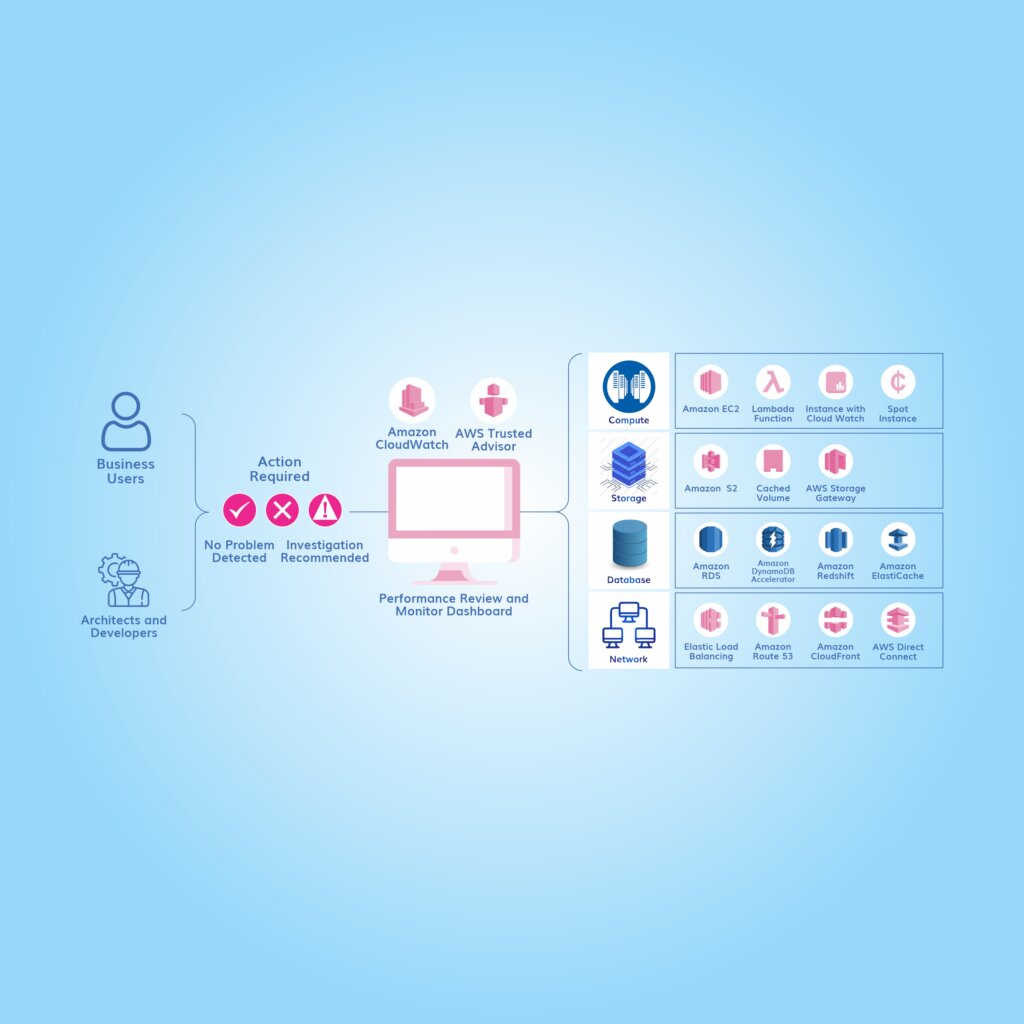
- Monitor: track accuracy, escalations, cost per task and drift, with alerts to a named owner.
- Govern: set up an AI review group that approves new workflows and reviews incidents.
- Reuse: choose a next workflow that shares data and connectors, such as moving from FNOL intake to claim status updates.
- Optimise cost: tune model choice, caching and compute as volumes grow.
- Communicate: report results to staff and leadership in plain terms.
Infrastructure cost grows with volume, so efficient compute matters. Our notes on AWS Lambda performance optimization apply directly when agent tools run as serverless functions.
Change management
Change management is the planned work of helping people adopt a new way of working. For AI agents, it means explaining what the agent does, what it never does, how to override it and how roles will shift. Teams that shaped the pilot are better placed to champion it at scale.
An AI agent earns more autonomy one workflow at a time, as monitoring and results prove it can be trusted.
You can see how Technosip approaches delivery for other clients in our case studies.
Frequently asked questions
How long does it take to implement AI agents in an insurance company?
Timelines depend on data readiness and integration complexity more than on the AI itself. A focused pilot on one workflow typically runs for several weeks after scoping. Scaling to production across several workflows is a longer programme that grows one workflow at a time.
What is the best first use case for AI agents in insurance?
The best first use case is high volume, rule-based, measurable and low risk if the agent makes a mistake. FNOL intake, submission intake, certificate requests and routine service questions often fit. Score your own candidates, because the right answer depends on your data and systems.
Do AI agents replace insurance staff?
AI agents take over repetitive steps such as data entry, document checks and status updates. Licensed and experienced staff remain responsible for judgement, advice and decisions that affect customers. Most teams redirect the freed time to complex cases, relationships and growth.
How do AI agents handle data privacy and regulation in insurance?
AI agents should access only the data a workflow needs, through accounts with minimum permissions and full audit logs. Insurers should document AI use within a written governance program and involve compliance from the readiness check onward. Human review should remain wherever an output affects coverage, pricing or claim outcomes.
Can small agencies use AI agents without an IT team?
Small agencies can use AI agents if the agency management system offers an integration option and someone owns the agent day to day. Starting with one workflow, such as renewal reminders or certificate requests, keeps the effort manageable. An implementation partner can handle setup and integration.
Turn this playbook into your rollout plan
Implementing AI agents works best as a sequence: readiness, scoring, a hybrid build, careful integration, a measured pilot and disciplined scaling. A Technosip implementation workshop works through that sequence with your team, using your own workflows and systems, so you can choose a first UniversalAgent pilot with confidence.
Book a Technosip implementation workshop to get started.
Contact Us
We’d Love to Help You
Get in Touch
- Fill out a request form. Please brief your requirements in-detail. The more we know about your amazing idea, the better we will guide and assist you with project time and resources
- We’ll reach out to you on priority to discuss next steps in the meantime please check out our case studies and insights.
- We look forward to collaborating with you to bring your idea to the market sooner than the traditional route.
Related