
Modernizing Legacy Systems with AI and ML: Top Considerations for a Low-Risk Transformation
Legacy system modernization is no longer optional—it’s a must for businesses aiming to stay competitive. But rushing AI for legacy systems without a clear plan can expose your organization to costly risks and compliance pitfalls. In this guide, you’ll find proven strategies for low-risk transformation, from technical debt remediation to model governance and compliance, designed to keep your modernization on track and secure.
Key Technical Considerations
When modernizing legacy systems, understanding technical challenges is vital. This section explores key areas to help you make informed decisions.
Legacy System Modernization Challenges
Modernizing legacy systems can be daunting. Complexity and outdated technology often slow down progress. For instance, older systems may lack compatibility with modern software. This can lead to integration issues. Over 70% of organizations face this problem during updates. Meanwhile, technical debt can make modifications costly and time-consuming. Addressing these hurdles is crucial. Begin by assessing the current infrastructure. Identify areas prone to failure. Prioritize these for updates. This ensures smoother transitions and fewer disruptions. Remember, tackling these challenges head-on saves both time and resources in the long run.
AI and ML Integration Strategies
AI and ML offer immense potential for legacy systems. But implementing them requires careful planning. First, assess existing data infrastructure. Ensure it supports AI algorithms. Many companies overlook this, resulting in inefficient AI models. Next, develop a clear roadmap. Define goals and expectations. For example, a 25% improvement in data processing speed. This keeps projects focused and measurable. Finally, invest in training your team. Equip them with skills necessary for AI and ML integration. This not only boosts confidence but also enhances project success. A well-prepared team is your greatest asset in this journey.
Microservices Migration Essentials
Migrating to microservices architecture boosts agility. It allows for faster updates and better scalability. Start by identifying critical components for migration. This reduces risks and ensures minimal disruption. An API-first approach is often beneficial. It enables smooth communication between services. For example, Netflix successfully adopted this strategy, enhancing its streaming capabilities. Additionally, consider event-driven architecture. It provides real-time insights, crucial for decision-making. But remember, migration isn’t just technical. Cultural shifts are equally important. Encourage collaboration and adaptability within your team. A culture open to change ensures long-term success.
Organizational Preparedness
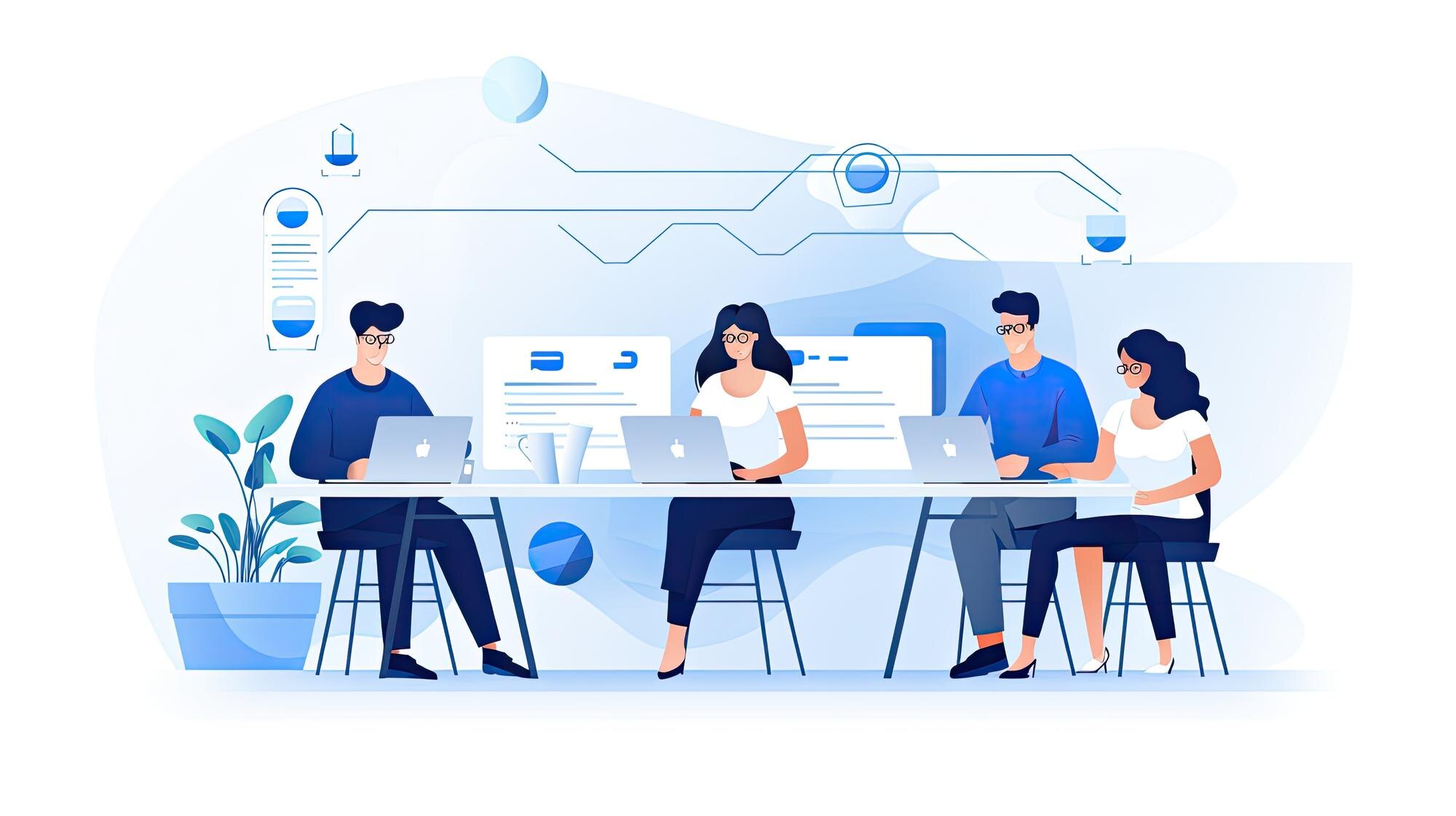
Technical changes are only part of the equation. Organizational readiness is equally critical. Let’s delve into key aspects that ensure seamless modernization.
Change Management in IT
Change management is crucial in IT transformations. Without it, projects often face resistance. Start by involving all stakeholders early. This fosters a sense of ownership. Communicate clearly and regularly. Share progress and setbacks alike. Transparency builds trust. Equip your team with necessary tools and training. This boosts morale and reduces anxiety. Most importantly, celebrate small wins. Acknowledging achievements keeps motivation high. Remember, change management isn’t a one-time task. It’s an ongoing process. Adapt and refine strategies as needed. An agile approach ensures adaptability and success.
Building an Enterprise AI Strategy
An enterprise AI strategy aligns technology with business goals. Start by defining clear objectives. What do you want AI to achieve? Increased efficiency or improved customer service? Next, assess available resources. Do you have the necessary talent and infrastructure? If not, consider partnerships. Collaborating with experts like Technosip can fill gaps. They provide strategic insights and technical expertise. Finally, monitor progress continuously. Use metrics to evaluate success. Adjust strategies based on feedback. A flexible approach ensures alignment with evolving business needs. Your AI strategy should be a living document, adaptable and responsive.
Compliance and Security
Modernization efforts must prioritize compliance and security. This section highlights vital considerations to safeguard your organization.
Model Governance and Compliance
With AI and ML, data governance becomes critical. Establish clear policies to ensure compliance. For instance, data privacy regulations like GDPR require strict adherence. Implement robust data management practices. This minimizes risks and enhances accountability. Additionally, conduct regular audits. They identify potential vulnerabilities. Address these proactively to prevent breaches. Remember, compliance isn’t just about avoiding penalties. It builds customer trust. Clients expect secure and reliable services. By prioritizing governance, you enhance your organization’s reputation.
Ensuring HIPAA and PCI DSS Compliance
For industries like healthcare and finance, compliance is non-negotiable. HIPAA and PCI DSS set stringent standards. Start by conducting comprehensive risk assessments. Identify areas prone to breaches. Implement security measures accordingly. Encryption is a must for sensitive data. It prevents unauthorized access. Regular training sessions are equally important. They keep your team updated on best practices. Remember, compliance isn’t a one-time effort. It’s an ongoing commitment. Regular reviews and updates ensure adherence to evolving standards. By prioritizing compliance, you safeguard your organization and customers alike.
In conclusion, modernizing legacy systems requires a balanced approach. Technical, organizational, and compliance considerations must align. With careful planning and execution, you can achieve a seamless transformation. Transformations like these can be complex, but with a strategic partner like Technosip, you can navigate these challenges effectively, ensuring your business remains competitive and secure.
Contact Us
We’d Love to Help You
Get in Touch
- Fill out a request form. Please brief your requirements in-detail. The more we know about your amazing idea, the better we will guide and assist you with project time and resources
- We’ll reach out to you on priority to discuss next steps in the meantime please check out our case studies and insights.
- We look forward to collaborating with you to bring your idea to the market sooner than the traditional route.
Related